3,000,000 €
34间卧室别墅, 3000 m² 迪科马诺, Florence (省)
- 1 / 41
- 2 / 41
- 3 / 41
- 4 / 41
- 5 / 41
- 6 / 41
- 7 / 41
- 8 / 41
- 9 / 41
- 10 / 41
- 11 / 41
- 12 / 41
- 13 / 41
- 14 / 41
- 15 / 41
- 16 / 41
- 17 / 41
- 18 / 41
- 19 / 41
- 20 / 41
- 21 / 41
- 22 / 41
- 23 / 41
- 24 / 41
- 25 / 41
- 26 / 41
- 27 / 41
- 28 / 41
- 29 / 41
- 30 / 41
- 31 / 41
- 32 / 41
- 33 / 41
- 34 / 41
- 35 / 41
- 36 / 41
- 37 / 41
- 38 / 41
- 39 / 41
- 40 / 41
- 41 / 41
主要特点
- 花园
- 地窖
描述
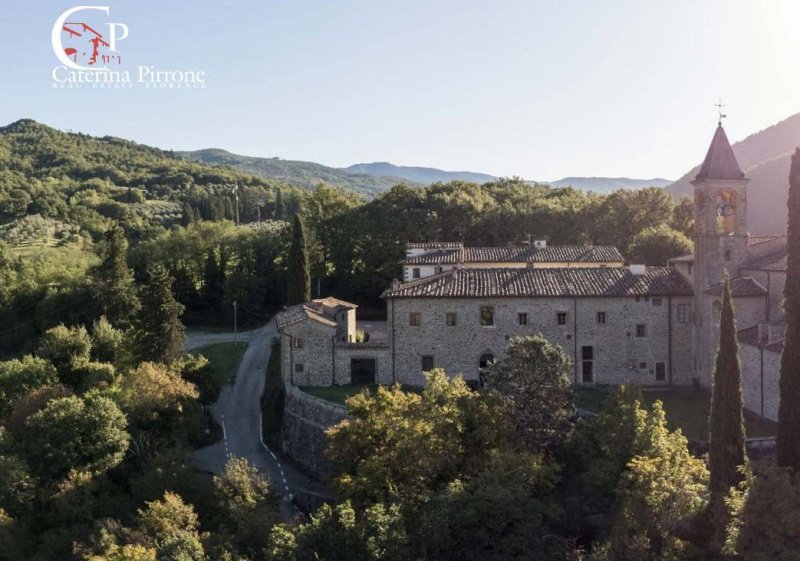
该修道院由方济各会修士于18世纪第二个十年建造,毗邻古老的圣约翰洗礼堂,当时该教堂进行了翻新和现代化改造。方济各会修士一直是整个建筑群的慷慨守护者,并用艺术品丰富了教堂和修道院。食堂里还保留着费尔南多·弗尔奇(Ferdinando Folchi)画家于19世纪末创作的《最后的晚餐》一幅美丽的壁画。这里仍然保留着古老的桌子和原始的座位,以及用于朗读圣经的讲台。结构内部的小庭院里有一个优雅的井和一个石盆。几个世纪以来,接待一直是一项品质,并且在这个修道院中发挥了重要作用。过去,牧羊人在这里停留,从亚平宁山脉和卡森蒂诺地区前往马雷马地区进行春徙:那个时代的“牧羊人壁炉”(Camino dei Pastori)仍然可以在修道院里看到。
该房产周围有大片绿地,包括一个意大利式花园和一个橡木林。
资产技术描述
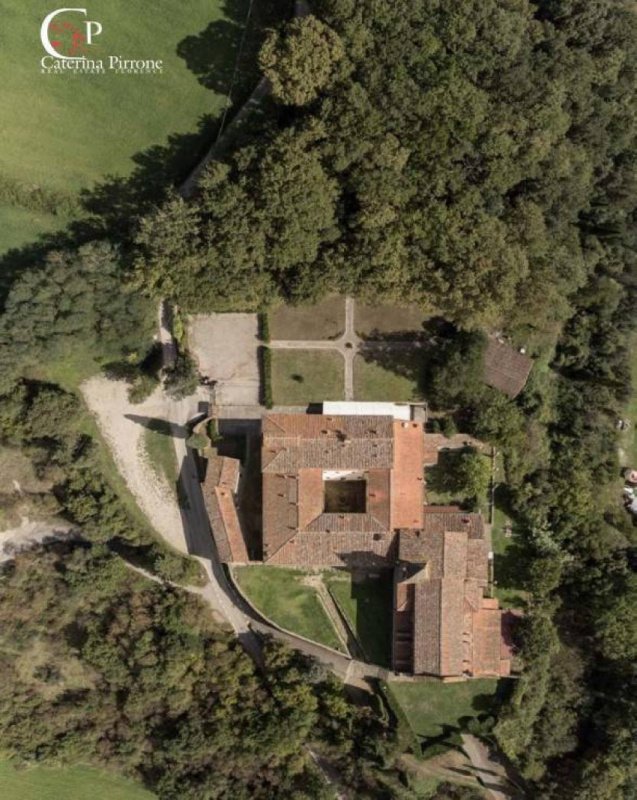
1) 前修道院主建筑(红色部分),可通过公共道路上的车道和人行道大门(建筑群的北侧入口)以及西侧的坡道和车道(次要入口)直接进入,由:
- 一楼:双入口门厅、会议室、带牧羊人壁炉的图书馆、小房间、走廊、电梯间、食品储藏室和厨房、卫生间、连接上层的楼梯间和内部庭院;
- 一楼:14 间带独立浴室的客房、小图书馆、走廊、卫生间、电梯间和连接到二楼的楼梯间;
- 二楼:10 间带独立浴室的客房、两个储藏室、一个阁楼、电梯间、走廊和连接到一楼和一层的楼梯间。
2) 前修道院次建筑(绿色部分),实际上与主部分合并,由:
- 一楼:走廊、2 个过道、餐厅、厕所、厨房、仓库,以及门廊、锅炉房和自来水泵房;
- 一楼:5 间客房、2 个卫生间、走廊和过道。
3) 前修道院建筑,独立的建筑物(蓝色部分),位于整个建筑群的北侧,在主建筑物的东立面朝向的右侧,分为两层,由:
- 一楼:入口和通往一楼的楼梯、公共活动室、聊天室、餐厅、小厨房、食品储藏室、洗衣房、卫生间和楼梯下储藏室;
- 一楼:带外部石阶通道的礼拜堂、5 间客房、两个卫生间、走廊、过道和连接到一楼的楼梯间。
4) 外部区域 - 花园、林地和停车位(黄色和浅绿色部分)。
所有建筑物都是在17世纪下半叶和18世纪上半叶建造的。整个建筑群已被宣布为历史建筑。
该房产内部和外部状况良好,因为在2000年初对其进行了重要的保护性修复,涉及该建筑的屋顶、灰泥、外部油漆、安装了新的供暖系统以及连接所有楼层的电梯。
非常适合作为住宅或宾馆,也适合养老院。
3,000,000 欧元 VILL400V
广告商输入的描述
The convent was built by the Franciscan friars in the second decade of the eighteenth century next to the ancient parish church of San Giovanni Battista, which was renovated and modernized on that occasion. The Franciscan friars were the generous custodians of the entire complex and enriched both the church and the convent with works of art. In the refectory there remains a beautiful fresco depicting the Last Supper by the painter Ferdinando Folchi dating back to the last quarter of the nineteenth century. Here you can still find the ancient tables and the original stalls along with the pulpit for reading sacred texts. The small cloister enclosed within the structure houses an elegant well and a stone sink. Hospitality has always been, over the centuries, a quality and has played an important role in this convent. In the past, shepherds stopped here for the transhumance from the Apennines and Casentino towards the Maremma: from that time, the large "Camino dei Pastori" (Shepherds' Path) is still visible in the convent.
Around the property there are large green areas, with an Italian garden and a grove of oak trees.
TECHNICAL DESCRIPTION OF THE GOODS
1) former main convent building (part in red) which can be accessed directly from the public road by means of driveway and pedestrian gates located on the north side of the complex (main entrance) and a pedestrian and driveway ramp located on the west side (secondary entrance) consisting of:
- ground floor with double entrance hall, meeting room, library with shepherds' fireplace, small room, corridor, lift shaft, pantry and kitchen, toilets, stairwell connecting to the upper floors and internal cloister;
- first floor with 14 en-suite bedrooms, library room, corridors, bathroom, lift shaft and stairwell connecting to the ground and second floors;
- second floor with 10 bedrooms with en suite bathrooms, two storage rooms, an attic room, lift room, corridor and stairwell connecting to the first and ground floors.
2) former secondary convent building (green part), effectively joined to the main portion, consisting of:
- ground floor with corridor, 2 hallways, refectory, toilet, kitchen, warehouse, plus loggia, boiler room and autoclave room;
- first floor with 5 bedrooms, 2 bathrooms, corridor and hallway.
3) former convent building, a free-standing building (part in blue), serving the former convent located on the north side of the entire complex, on the right when looking at the east facade of the main building, on two floors above ground, consisting of:
- ground floor with entrance and staircase to the first floor, community room, small meeting room, dining room, kitchenette, pantry, laundry room, bathroom and storage room under the stairs;
- first floor with chapel also accessible from the outside via a stone staircase, 5 bedrooms, two bathrooms, corridor, hallway and stairwell connecting to the ground floor.
4) external areas - garden, grove and parking space (parts in yellow and light green).
All the buildings were built between the second half of the 17th century and the first half of the 18th century. The entire building complex has been declared of historical interest.
The property is in good condition internally and externally, having undergone a major and conservative restoration at the beginning of 2000, which involved the roofing of the property, the plastering, the external painting, the insertion of a new heating system and the insertion of a lift that connects all the floors.
Ideal object as a residence or accommodation facility, also suitable for RSA.
Euro 3.000.000 VILL400V
Il convento fu eretto dai frati francescani nel secondo decennio del Settecento accanto all'antichissima pieve di San Giovanni Battista che in quell'occasione venne ristrutturata e rimodernata. I frati francescani sono stati i generosi custodi di tutto il complesso e hanno arricchito di opere d'arte sia la chiesa che il convento. Nel refettorio rimane un bellissimo affresco rappresentante l'Ultima Cena del pittore Ferdinando Folchi risalente all'ultimo quarto del XIX secolo. Qui si trovano ancora gli antichi tavoli e gli stalli originali insieme al pulpito per la lettura dei testi sacri. Il piccolo chiostro racchiuso all'interno della struttura custodisce un elegante pozzo ed un lavabo in pietra. L'accoglienza è sempre stata, nei secoli, una qualità ed ha avuto un ruolo importante in questo convento. Nel passato vi sostavano i pastori per la transumanza dall'Appennino e dal Casentino verso la Maremma: di quel tempo è ancora visibile nel convento il grande "Camino dei Pastori".
Intorno al compendio immobiliare vi sono ampie zone verdi, con un giardino all'italiana e un boschetto di quercioli.
DESCRIZIONE TECNICA DEI BENI
1) ex-fabbricato conventuale principale (parte in rosso) al quale si accede direttamente dalla via pubblica a mezzo di cancelli carrabili e pedonali posti sul lato nord del complesso (ingresso principale) e di rampa pedonale e carrabile posta sul lato ovest (ingresso secondario) costituito da:
- piano terra con doppio atrio d'ingresso, salone per riunioni, biblioteca con camino dei pastori, saletta, corridoio, vano ascensore, dispensa e cucina, servizi igienici, vano scala di collegamento con i piani superiori e chiostro interno;
- piano primo con 14 camere con bagno interno, saletta-biblioteca, corridoi, servizio igienico, vano ascensore e vano scala di collegamento con il piano terra e secondo;
- piano secondo con 10 camere con bagno interno, due vani ripostiglio, un vano soffitta, vano ascensore, corridoio e vano scala di collegamento con il piano primo e terra.
2) ex fabbricato conventuale secondario (parte in verde), unita di fatto con la porzione principale, costituita da:
- piano terra con corridoio, 2 disimpegni, refettorio, w.c., cucina, magazzino, oltre loggia, centrale termica e vano autoclave;
- piano primo con 5 camere, 2 servizi igienici, corridoio e disimpegno.
3) ex fabbricato conventuale, edificio a se stante (parte in azzurro), a servizio dell'ex-convento posto sul lato nord dell'intero complesso, sulla destra per chi guarda la facciata est del fabbricato principale, su due piani fuori terra, costituito da:
- piano terra con ingresso e scala di accesso al piano primo, sala comunitaria, saletta parlatoio, sala da pranzo, cucinino, dispensa, lavanderia, servizio igienico e ripostiglio sottoscala;
- piano primo con cappellina avente accesso anche dall'esterno a mezzo di scala di pietra, 5 camere, due bagni, corridoio, disimpegno e vano scala di collegamento con il piano terra.
4) zone esterne - giardino, boschetto e posto macchina (parti in giallo e verde chiaro).
Tutti gli immobili sono stati realizzati tra la seconda metà del XVII secolo e la prima metà del XVIII secolo. L'intero complesso edilizio è stato dichiarato di interesse storico.
L'immobile internamente e esternamente è in buono stato di conservazione per essere stato oggetto di un restauro importante e conservativo all'inizio del 2000 che ha riguardato le coperture dell'immobile, gli intonaci, le tinteggiature esterne, l'inserimento di un nuovo impianto di riscaldamento e l'inserimento di un ascensore che collega tutti i piani.
Oggetto ideale come residenza o struttura ricettiva, adatto anche per RSA.
Euro 3.000.000 VILL400V
Das Kloster wurde im zweiten Jahrzehnt des 18. Jahrhunderts von Franziskanerbrüdern neben der alten Pfarrkirche San Giovanni Battista erbaut, die bei dieser Gelegenheit renoviert und modernisiert wurde. Die Franziskanermönche waren die großzügigen Verwalter der gesamten Anlage und bereicherten sowohl die Kirche als auch das Kloster mit Kunstwerken. Im Refektorium befindet sich noch ein wunderschönes Fresko des Malers Ferdinando Folchi aus dem letzten Viertel des 19. Jahrhunderts, das das Letzte Abendmahl darstellt. Hier finden Sie noch die alten Tische und das Originalgestühl sowie die Kanzel zum Lesen der heiligen Texte. Der kleine, von der Struktur umgebene Kreuzgang beherbergt einen eleganten Brunnen und ein Steinwaschbecken. Im Laufe der Jahrhunderte war Gastfreundschaft immer eine Qualität und spielte in diesem Kloster eine wichtige Rolle. In der Vergangenheit hielten hier Hirten für ihre Wanderwanderungen vom Apennin und Casentino in Richtung Maremma an: Aus dieser Zeit ist im Kloster noch immer der große Hirtenweg" zu sehen.
Rund um den Immobilienkomplex gibt es große Grünflächen mit einem italienischen Garten und einem Eichenhain.
TECHNISCHE BESCHREIBUNG DER WAREN
1) ehemaliges Hauptklostergebäude (Teil in Rot), das direkt von der öffentlichen Straße über Fahrzeug- und Fußgängertore auf der Nordseite des Komplexes (Haupteingang) und eine Fußgänger- und Fahrzeugrampe auf der Westseite (Nebeneingang) zugänglich ist Eingang) bestehend aus:
- Erdgeschoss mit doppelter Eingangshalle, Besprechungsraum, Bibliothek mit Hirtenkamin, Wohnzimmer, Flur, Aufzugsschacht, Speisekammer und Küche, Toiletten, Treppenhaus mit Verbindung zu den oberen Etagen und internem Kreuzgang;
- erster Stock mit 14 Zimmern mit eigenem Bad, Bibliotheksraum, Fluren, Toilette, Aufzugsschacht und Treppenhaus mit Verbindung zum Erdgeschoss und zweiten Stock;
- Zweiter Stock mit 10 Schlafzimmern mit eigenem Bad, zwei Abstellräumen, einem Dachzimmer, Aufzugsschacht, Flur und Treppenhaus mit Verbindung zum ersten und Erdgeschoss.
2) ehemaliges Nebenklostergebäude (grüner Teil), praktisch mit dem Hauptteil verbunden, bestehend aus:
- Erdgeschoss mit Flur, 2 Fluren, Refektorium, Toilette, Küche, Lager, dahinter die Loggia, Heizraum und Autoklavenraum;
- Erster Stock mit 5 Schlafzimmern, 2 Toiletten, Flur und Flur.
3) ehemaliges Klostergebäude, separates Gebäude (Teil in Blau), das dem ehemaligen Kloster dient und sich auf der Nordseite des gesamten Komplexes befindet, rechts, wenn man die Ostfassade des Hauptgebäudes betrachtet, auf zwei oberirdischen Etagen, bestehend aus:
- Erdgeschoss mit Eingang und Treppe zum ersten Stock, Gemeinschaftsraum, Ankleidezimmer, Esszimmer, Kochnische, Speisekammer, Waschküche, Toilette und Abstellraum unter der Treppe;
- Erster Stock mit Kapelle, die auch von außen über eine Steintreppe zugänglich ist, 5 Schlafzimmer, zwei Badezimmer, Flur, Diele und Treppenhaus mit Verbindung zum Erdgeschoss.
4) Außenbereiche - Garten, Hain und Parkplatz (Teile in Gelb und Hellgrün).
Alle Gebäude wurden zwischen der zweiten Hälfte des 17. und der ersten Hälfte des 18. Jahrhunderts erbaut. Der gesamte Gebäudekomplex wurde zum historischen Denkmal erklärt.
Das Anwesen befindet sich innen und außen in einem guten Erhaltungszustand, da es Anfang 2000 einer wichtigen und konservativen Restaurierung unterzogen wurde, die die Dacheindeckung des Anwesens, den Putz, den Außenanstrich und den Einbau einer neuen Heizungsanlage umfasste und die Einbeziehung eines Aufzugs, der alle Etagen verbindet.
Ideales Objekt als Wohn- oder Beherbergungsstätte, auch für RSA geeignet.
3.000.000 Euro VILL400V
Le couvent a été construit par les frères franciscains dans la deuxième décennie du XVIIIe siècle, à côté de l'ancienne église paroissiale de San Giovanni Battista, qui a été rénovée et modernisée à cette occasion. Les frères franciscains étaient les généreux gardiens de l'ensemble du complexe et enrichissaient l'église et le couvent d'uvres d'art. Dans le réfectoire reste une belle fresque représentant la Cène du peintre Ferdinando Folchi datant du dernier quart du XIXe siècle. Ici vous pouvez encore trouver les tables anciennes et les stalles originales ainsi que la chaire pour lire les textes sacrés. Le petit cloître enfermé dans la structure abrite un élégant puits et un évier en pierre. Au fil des siècles, l'hospitalité a toujours été une qualité et a joué un rôle important dans ce couvent. Autrefois, les bergers s'arrêtaient ici pour la transhumance des Apennins et du Casentino vers la Maremme : depuis cette époque, le grand "Chemin des Bergers" est encore visible dans le couvent.
Autour du complexe immobilier se trouvent de grands espaces verts, avec un jardin à l'italienne et un bosquet de chênes.
DESCRIPTION TECHNIQUE DES BIENS
1) ancien bâtiment principal du couvent (partie en rouge) accessible directement depuis la voie publique par des portes véhicules et piétons situées du côté nord de l'ensemble (entrée principale) et une rampe piétons et véhicules située du côté ouest (secondaire entrée) composé de :
- rez-de-chaussée avec double hall d'entrée, salle de réunion, bibliothèque avec cheminée de berger, salon, couloir, cage d'ascenseur, cellier et cuisine, toilettes, cage d'escalier reliant les étages supérieurs et cloître intérieur ;
- premier étage avec 14 chambres avec salle de bains privative, bibliothèque, couloirs, toilettes, cage d'ascenseur et cage d'escalier reliant le rez-de-chaussée et le deuxième étage ;
- deuxième étage avec 10 chambres avec salle de bains privative, deux débarras, un grenier, une cage d'ascenseur, un couloir et une cage d'escalier reliant le premier et le rez-de-chaussée.
2) ancien bâtiment conventuel secondaire (partie verte), effectivement solidaire de la partie principale, composé de :
- rez-de-chaussée avec couloir, 2 couloirs, réfectoire, toilettes, cuisine, entrepôt, au-delà de la loggia, chaufferie et salle autoclave ;
- premier étage avec 5 chambres, 2 toilettes, couloir et dégagement.
3) ancien bâtiment conventuel, bâtiment séparé (partie en bleu), desservant l'ancien couvent situé du côté nord de l'ensemble de l'ensemble, à droite si l'on regarde la façade est du bâtiment principal, sur deux étages hors sol, composé de :
- rez-de-chaussée avec entrée et escalier menant au premier étage, salle communautaire, dressing, salle à manger, kitchenette, cellier, buanderie, toilettes et débarras sous l'escalier ;
- premier étage avec chapelle ayant également accès de l'extérieur par un escalier en pierre, 5 chambres, deux salles de bains, couloir, couloir et cage d'escalier reliant au rez-de-chaussée.
4) espaces extérieurs - jardin, bosquet et parking (parties en jaune et vert clair).
Tous les bâtiments ont été construits entre la seconde moitié du XVIIe siècle et la première moitié du XVIIIe siècle. L'ensemble du complexe immobilier a été déclaré d'intérêt historique.
La propriété à l'intérieur et à l'extérieur est en bon état de conservation ayant fait l'objet d'une restauration importante et conservatrice au début de 2000 qui a impliqué la toiture de la propriété, le plâtre, la peinture extérieure, l'insertion d'un nouveau système de chauffage. et l'inclusion d'un ascenseur qui relie tous les étages.
Objet idéal comme résidence...
El convento fue construido por los frailes franciscanos en la segunda década del siglo XVIII junto a la antigua iglesia parroquial de San Giovanni Battista que fue renovada y modernizada en esa ocasión. Los frailes franciscanos fueron los generosos custodios de todo el conjunto y enriquecieron tanto la iglesia como el convento con obras de arte. En el refectorio se conserva un hermoso fresco que representa la Última Cena del pintor Ferdinando Folchi que data del último cuarto del siglo XIX. Aquí todavía se pueden encontrar las mesas antiguas y las sillerías originales junto con el púlpito para la lectura de los textos sagrados. El pequeño claustro encerrado dentro de la estructura alberga un elegante pozo y un lavabo de piedra. A lo largo de los siglos, la hospitalidad siempre ha sido una cualidad y ha jugado un papel importante en este convento. En el pasado, aquí paraban los pastores para realizar la trashumancia desde los Apeninos y Casentino hacia la Maremma: desde entonces, el gran "Camino de los Pastores" todavía es visible en el convento.
Alrededor del complejo inmobiliario hay amplias zonas verdes, con un jardín italiano y un bosque de robles.
DESCRIPCIÓN TÉCNICA DE LOS PRODUCTOS
1) antiguo edificio principal del convento (parte en rojo) al que se puede acceder directamente desde la vía pública a través de puertas para vehículos y peatones ubicadas en el lado norte del complejo (entrada principal) y una rampa para peatones y vehículos ubicada en el lado oeste (secundaria entrada ) que consta de:
- planta baja con doble vestíbulo, sala de reuniones, biblioteca con chimenea de pastores, salón, pasillo, hueco de ascensor, despensa y cocina, aseos, escalera de acceso a las plantas superiores y claustro interior;
- primer piso con 14 habitaciones con baño en suite, sala de biblioteca, pasillos, aseo, hueco de ascensor y escalera que conecta con la planta baja y el segundo piso;
- segunda planta con 10 dormitorios con baños en suite, dos trasteros, buhardilla, hueco de ascensor, pasillo y escalera de comunicación con la primera y la planta baja.
2) antiguo edificio conventual secundario (parte verde), efectivamente unido con la parte principal, compuesto por:
- planta baja con pasillo, 2 pasillos, refectorio, aseo, cocina, almacén, más allá de la logia, sala de calderas y sala de autoclaves;
- primer piso con 5 dormitorios, 2 baños, pasillo y pasillo.
3) antiguo edificio conventual, edificio independiente (parte en azul), que da servicio al ex convento situado en el lado norte de todo el conjunto, a la derecha si se mira la fachada este del edificio principal, de dos plantas sobre rasante, compuesto por:
- planta baja con entrada y escalera que conduce al primer piso, salón comunitario, vestidor, comedor, cocina americana, despensa, lavandería, aseo y trastero debajo de las escaleras;
- primer piso con capilla con acceso también desde el exterior mediante escalera de piedra, 5 dormitorios, dos baños, pasillo, zaguán y escalera de acceso a la planta baja.
4) áreas exteriores: jardín, arboleda y plaza de aparcamiento (partes en amarillo y verde claro).
Todos los edificios fueron construidos entre la segunda mitad del siglo XVII y la primera mitad del siglo XVIII. Todo el conjunto de edificios ha sido declarado bien de interés histórico.
La propiedad interna y externamente se encuentra en buen estado de conservación después de haber sido objeto de una restauración importante y conservadora a principios de 2000 que implicó el techado de la propiedad, el yeso, la pintura exterior, la inserción de un nuevo sistema de calefacción. y la inclusión de un ascensor que conecta todas las plantas.
Objeto ideal como residencia o alojamiento, también apto para RSA.
3.000.000 euros VILL400V
细节
- 物业类型
- 别墅
- 状况
- 全面整修/可居住
- 房屋面积
- 3000 m²
- 卧室
- 34
- 浴室
- 15
- 花园
- 8,633 m²
- 能效评级
- G
- 参考代码
- VILL400V
能效评级 (第90/2013号法律)
- A4
- A3
- A2
- A1
- B
- C
- D
- E
- F
- G
什么是能效评级?
能源效率评级是由字母A4到G所表示的值,该值表示基于建筑物外形和气候区等参数的建筑物的能源质量和消耗量。 能效评级越高,建筑物的空调能耗和成本就越低。 请注意:如果建筑物的外形和气候区域不同,则属于同一类别的建筑物的年能耗也可能大不相同。
什么是EPgl(全球能源绩效指数)
EPgl表示建筑或建筑单元达到舒适条件所消耗的能量,并基于现有的能源服务和标准使用下的物业类型。计量单位为kWh/m2/年。
距兴趣点的距离:
- 机场
28.0 km - Firenze FLR - Amerigo Vespucci
76.0 km - Bologna BLQ - Guglielmo Marconi
88.0 km - Rimini RMI - Miramare
93.0 km - Pisa PSA - Galileo Galilei
- 高速公路出口
- 21.5 km
- 医院
- 6.3 km - Centro diurno handicap
- 海岸
- 78.4 km
- 滑雪胜地
- 39.7 km
在此物业附近
- 商店
2.2 km - 超级市场 - Coop
3.4 km - 便利商店 - coop
5.6 km - 农家店 - Podere Il Poggiolo
5.8 km - 精肉店 - Graziano Carni
- 外出吃饭
620 m - 咖啡店
2.3 km - 酒吧
2.8 km - 餐厅 - Il Borgo Ristorante
5.8 km - 快餐餐厅 - L´ Angolo Delle Bonta´ Gastronomia
- 学校
3.2 km - 学校 - Scuola Elementare Giovanni Pascoli
14.5 km - 高等教育机构 - Seminario "San Filippo Neri" ICRSS
20.4 km - 大学 - Villa I Tatti
- 药房
- 900 m - 药房 - Farmacia di Contea
- 兽医
- 13.2 km - 兽医
迪科马诺:关于城市的信息
- 海拔
- 高出海平面162m
- 面积
- 61.63 km²
- 地理区域
- 内陆丘陵
- 人口
- 5439
联系房地产中介

Caterina Pirrone Immobiliare
viale Europa, 101, FIRENZE, Firenze
+39 338 569 6609
您如何看待该广告的质量?
提供有关此广告的反馈,帮助我们改善您的Gate-away体验。
请不要评估物业本身,而只是评估其展示的质量。