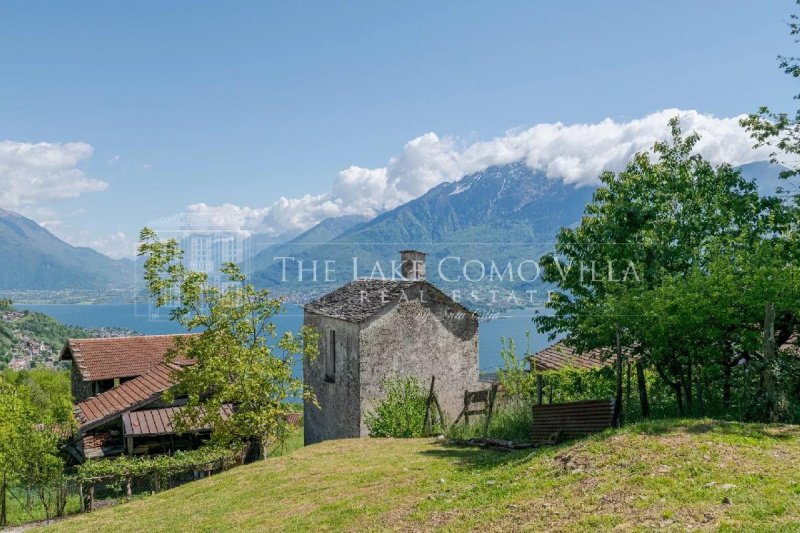
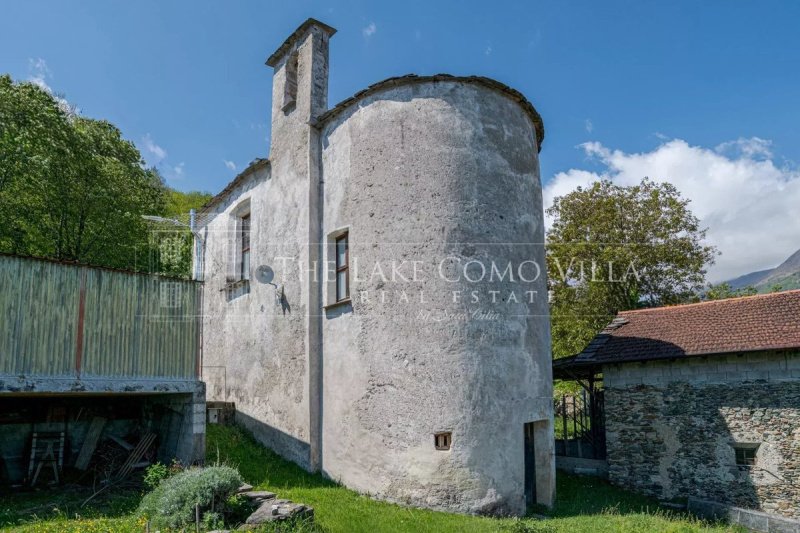
A one-of-a-kind property, built in 1769 and used as an oratory until the early 2000s, when it was declared "reduced to profane use" by the episcopal curia.
The property has recently been expertly restored, using ancient techniques used by craftsmen in the past (such as wattle and daub, for example) to preserve the property's historical value down to the last detail.
The project's founding concept is restoration with a change of use, limiting the impact of the changes to almost zero: the addition was designed so that it could be removed without leaving a trace if desired.
Suffice it to note that the only points where the structure is attached are the four anchor points of the mezzanine frame to the perimeter walls. Even the lighting, to avoid damaging the walls, has been installed using braided cables, while most of the actuators, made of ceramic and of excellent design, are radio-controlled.
The living area is a true gem, combining design and functionality, contemporary minimalism interpreted in the finest tradition of classic style.
Entering through the main door, we find the extension, built according to the principles of the so-called "ship's interior cabin": an elegant staircase leads to the mezzanine, where two generous side windows offer a splendid view of the charming village and the surrounding mountains.
It's a comfortable area for relaxing or enjoying refined dishes with friends or family.
On the ground floor, inside the "cabin" section, we find an elegant kitchen, equipped with all the best appliances and built to the most modern standards.
One might think that installing a bathroom in such a structure would entail several limitations, but we immediately realize that in reality, solutions and dedicated spaces have been carefully considered that are in no way inferior to the most refined bathrooms in a luxury home. The simplicity of the shower, designed without doors yet long enough to rival those in a mansion, is a prime example.
A small technical note worth noting is that the pipes and connections are limited to a single hole in the floor, which leads directly to the basement, where all the technical systems (boiler, water pipes, and drainage) are housed.
In what was once the apse, raised above the main level, is the bedroom, with a pleasant 18th-century stucco frame in the background.
This is a unique property, in a classic yet modern setting, with an outdoor garden overlooking the most beautiful panorama of the northern lake area, with the giants of the central Alps in the background—Badile and Cengalo, to name a few—as well as the entrance of the Adda and Mera rivers into the lake, a striking view, with the famous Palazzo Gallio in Gravedona, a historic residence and symbol of the upper lake, in the foreground.
Historical and descriptive notes:
The building was erected on the partial site of a stable, which still exists and is practically functional today. Despite its simplicity, it fully reflects a late 18th-century style, with a measured use of stucco and paneling.
The single-hall structure with an apse, canonically positioned on an east-west axis—a common typology in the Alpine regions of northern Italy—and the interior decoration, with simple stucco capitals and floor-marking bands, clearly demonstrate that the building has not undergone any modifications since its construction in 1769.
Its position, which follows the slope of the mountain, makes it a particularly charming building, embellished by several details, such as the dividing wall that serves as a bell tower and the splayed windows on the sides.
The single interior space is divided by a step made of local stone that delimits the apse and the altar area, from the area intended for the faithful. The vertical pilasters, the horizontal bands, the airy vaults, and the very slender proportions complete a picture of remarkable expressive intensity.
Technical notes on the restoration project
The project was carried out under the supervision of the Superintendence for Architectural and Landscape Heritage of Lombardy and was based on the philosophy of pure restoration of the original 1769 church.
The project was carried out with the following cornerstones:
the collapsed sections were reconstructed using original techniques (reeding, restoration of the historic lime plaster, etc.),
the decorative layers and incongruous colors applied in 1930 were removed,
the colored backgrounds were restored using lime techniques,
the valuable Lombard terracotta floor was restored, maintaining its original patina, A mezzanine with a metal structure and rough larch flooring was added, detached from the walls with six supports to the masonry structure.
Under the mezzanine, the kitchen and bathroom systems were installed.
The design decision to include the metal-structured mezzanine was immediately approved by the superintendent, who immediately recognized its temporary value. If it were removed, the oratory would return to its original form, and the church could even be reconsecrated. The systems, both electrical and plumbing, were also installed with meticulous care, ensuring that all wiring was routed through the basement, so that no trace of them would remain in the floors or walls.
The project and construction proved to be a real challenge, but a rewarding one for the architect, who knew he had completed a work that could return to its former glory as an oratory and church in 100 years.
Important: The oratory is a property of historical value, designated by the Ministry of Cultural Heritage and Activities pursuant to Legislative Decree 42/2004, with a specific decree dated April 12, 2012. Since the protection restriction was not explicit, the restriction was extended in 2012. Its historical and artistic value is therefore objective and indisputable.
Surface Areas
Basement: 45 sq m of floor area, intended for storage and services
Ground floor: 62 sq m of floor area, 45 sq m of floor area, intended for residential use
First floor: 30 sq m of floor area, intended for residential use
Brenzio is a village located halfway up the hill, along the historic road that climbs the Liro Valley and
which connects with the important road to Switzerland via the Iorio Pass.
The oratory was built on the northern edge of the ancient
residential nucleus of Brenzio, and the information we have attests that this occurred in 1769 at the behest of the parish priest of Brenzio, Father Giandomenico Bassi, who blessed its construction that year.
With only one altar, it is known that "the Holy Sacrament was not preserved in it," but every year
the feast of Saint Joseph was celebrated, following a triduum of Masses and blessings. It was therefore a minor
oratory, of local dedication.
自动翻译所用的语言
Proprietà unica nel suo genere, costruita nel 1769 ed adibita ad oratorio fino ai primi anni del duemila, quando viene dichiarata 'ridotta ad uso profano' dalla curia vescovile.
Di recente la proprietà è stata sapientemente restaurata, seguendo le antiche tecniche utilizzate dalle maestranze nel passato (quali il cannicciato, per esempio) per mantenere il valore storico della proprietà fino all'ultmo dettaglio.
Il concetto fondante del progetto è la restaurazione con cambio d'uso, limitando l'impatto dei cambiamenti quasi a zero: la parte aggiunta è stata realizzata in modo da poter essere, se voluto, rimossa senza lasciare traccia.
Basti notare che gli unici punti dove si è agganciata la struttura, sono i quattro punti di ancoraggio del telaio del soppalco ai muri perimetrali. Anche l'illuminazione, per evitare di dover intaccare le pareti, è stata realizzata in trecciola per quanto riguarda i cavi, mentre la maggior parte degli attuatori, realizzati in ceramica e di ottimo design, sono radiocomandati.
La parte living è un vero e proprio gioiello che unisce design e funzionalità, minimalismo contemporaneo declinato secondo la migliore tradizione del gusto per il classico.
Entrando dal portone principale, troviamo il corpo aggiunto, realizzato secondo i crismi della cosiddetta 'cabina interna della nave': un elegante scala porta alla parte soppalcata, dove due generose finestre laterali regalano una vista splendida sull'incantevole borgo e sulle montagne circostanti.
Comodissima zona dove rilassarsi oppure convivialmente gustare dei raffinati piatti con gli amici o in famiglia.
Al piano terreno ,dentro il corpo della 'cabina' troviamo un elegante cucina, dotata di tutti i migliori apparecchi, realizzata secondo i più moderni standard.
Si potrebbe pensare che realizzare un bagno in una struttura simile possa comportare parecchie limitazioni, ma subito ci si accorge che in realtà sono state ricercate soluzioni e dedicati spazi che nulla hanno da invidiare ai più raffinati bagni di una casa di lusso. La semplicità della doccia realizzata senza porte ma con una lunghezza tale da far invidia a quelle di una magione, ne sono un esempio.
Piccola nota tecnica da sottolineare è che l'impatto delle tubazioni e degli allacciamenti si limita ad un solo foro nel pavimento, che giunge direttamente nell'interrato, dove sono ospitati tutti i sistemi tecnici (boiler, tubazioni acqua e scarico).
In quella che un tempo fu l'abside, rialzata rispetto al livello principale, si trova la parte adibita a camera, con piacevole cornice di stucchi settecenteschi in sottofondo.
Ci si trova davanti ad una proprietà unica, in un contesto classico ma moderno, con un giardino esterno dal quale si domina il più bel panorama della zona settentrionale del lago, con sullo sfondo i giganti delle alpi centrali, Badile e Cengalo per citarne alcuni, ma anche l'ingresso dell'Adda e del Mera nel lago, suggestivo scorcio, con in primo piano il famoso Palazzo Gallio di Gravedona, storica residenza simbolo dell'alto lago.
Note storiche e descrittive:
L’edificio è stato eretto sul parziale sedime di una stalla, ancor oggi esistente e pressoché funzionante, e pur nella sua semplicità denota pienamente un gusto tardo settecentesco, con un misurato uso di stucchi e partiture.
La struttura a semplice aula con abside, canonicamente posizionata con asse est/ovest, una tipologia molto ricorrente nelle zone alpine del nord Italia, la decorazione degli interni, con semplici stucchi in forma di capitelli e fasce marca piano, testimoniano, in modo abbastanza inequivocabile, di come l’edificio non abbia subito modificazioni dopo la sua costruzione nel 1769.
La sua giacitura, che segue la pendenza della montagna, la rende un edificio di particolare fascino, impreziosito da alcuni particolari, come il setto murario che funge da campanile, e le finestre strombate dei lati.
Lo spazio interno unico è diviso da un gradino in pietra locale che delimita l’abside e la zona dell’altare, dalla parte destinata ai fedeli. Le paraste verticali, le fasce orizzontali, le volte ariose, la proporzione molto slanciata in altezza completano un quadro di notevole intensità espressiva.
Note tecniche relative all'intervento di restauro
L'intervento si è svolto sotto il controllo della Soprintendenza per i Beni Architettonici e Paesaggistici della Lombardia ed ha avuto come filosofia quello del puro restauro della chiesa originale del 1769.
Il progetto si è svolto con questi cardini:
sono state ricostruite con tecniche originali le parti crollate (tecnica del cannicciato, ripristino degli intonaci storici a calce, etc.)
sono stati asportati gli strati decorativi ed i colori incongrui realizzati nel 1930,
sono stati restaurati i fondi colorati con tecniche a calce,
è stato restaurato il pregevole pavimento in cotto lombardo, mantenendone la patina originaria,
è stato inserito il soppalco con struttura metallica e pavimento in larice grezzo, staccato dalle pareti con 6 appoggi alla struttura muraria,
sotto il soppalco sono stati inseriti gli impianti per cucina e bagno.
La scelta progettuale dell’inserimento del soppalco a struttura metallica è stata immediatamente autorizzata dalla soprintendenza, che ne ha subito riconosciuto il valore temporaneo. Qualora si volesse rimuovere, l'oratorio tornerebbe alle sue forme originali e si potrebbe addirittura far riconsacrare la chiesa. Anche gli impianti, sia quello elettrico che quello idraulico, sono stati realizzati con una cura maniacale e badando di far passare le tracce tutte in cantina, in modo che un domani non ne resti traccia né nei pavimenti, né nelle murature.
Il progetto ed il cantiere si sono rivelati una vera sfida, ma piena di soddisfazioni per l'ideatore del progetto, consapevole di aver completato un'opera che tra 100 anni potrebbe ritornare al suo splendore di oratorio e chiesa.
Importante: L’oratorio è un bene immobile di valore storico, decretato dal Ministero per i Beni e le Attività Culturali, ai sensi del Decreto Legge 42/2004, con decreto specifico del 12 aprile 2012. Poiché il vincolo di tutela non era esplicito, si è provveduto a far estendere il vincolo nel 2012. Il suo valore storico ed artistico è quindi oggettivo e non discutibile.
Superfici
Piano interrato 45 mq di sup. calpestatile, destinazione magazzino e servizi
piano terra 62 mq di s.l.p., 45 mq di sup. calpestatile, destinazione residenziale
piano primo 30 mq di sup. calpestatile, destinazione residenziale
Brenzio è un borgo situato a mezza costa, posto lungo la strada storica che risale la valle del Liro e
che si congiunge con l’importante via per la Svizzera del passo Iorio.
L’oratorio è stato costruito ai limiti settentrionali dell’antico
nucleo abitativo di Brenzio, e le notizie che abbiamo testimoniano che ciò è avvenuto nel 1769 per
volere del parroco di Brenzio, don Giandomenico Bassi, che in quell’anno benedisse la sua
erezione.
Corredato da un solo altare, si sa che “in esso non si conservava il S. Sacramento”, ma ogni anno si
celebrava la festa di san Giuseppe, previo un triduo di messe e benedizioni. Era quindi un oratorio
minore, di dedicazione locale.