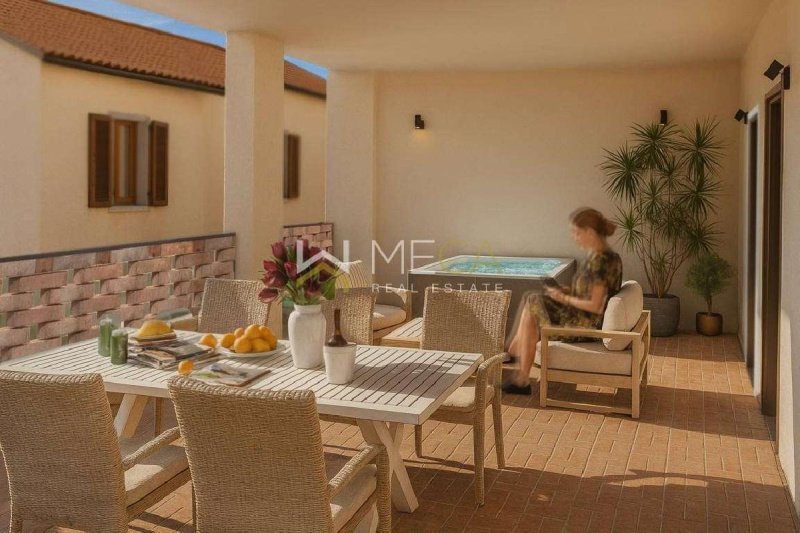
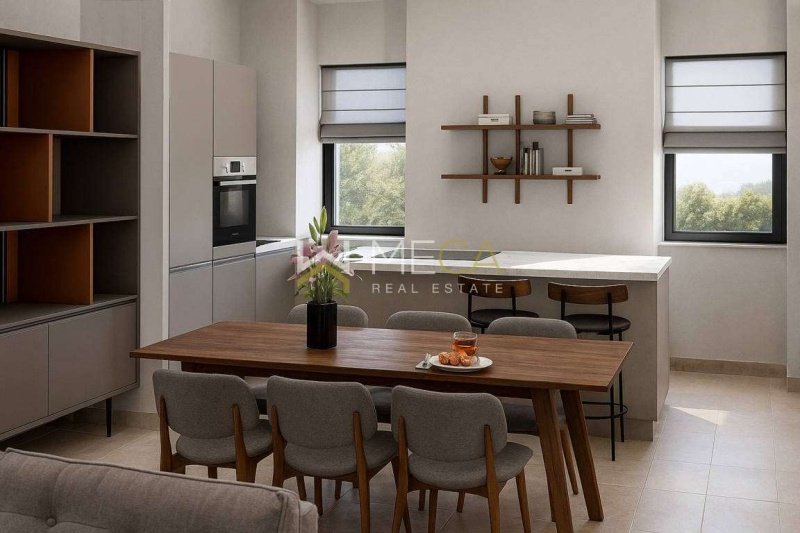
Desenzano city center. The apartment stands out for its large loggia, providing natural light and livable outdoor spaces. The open-plan living area is spacious and welcoming, while the sleeping area consists of two bedrooms and a bathroom.
The three-room apartment is located on the first floor of a building with only three units.
An exceptional location in the heart of Desenzano, the lakefront and all amenities are just a few seconds' walk away.
Private parking space in the property.
Further information upon request.
Lake Garda
Lake Garda or Benaco is the largest Italian lake, with a surface area of approximately 370 sqm/km (third in depth after Como and Maggiore). Hinge between three regions, Lombardy (province of Brescia), Veneto (province of Verona), Trentino-Alto Adige (province of Trento),it is located parallel to the Adige, from which it is divided by the Monte Baldo massif. To the north it appears narrow like a funnel while to the south it widens, surrounded by moraine hills which make the landscape gentler. The lake is an important tourist destination and is visited by millions of people every year. In Roman times the lake was known as Benacus and was venerated by some as the god Benacus, the very personification of the lake, sometimes associated with the cult of the god Neptune. Today it is better known as Lake Garda, a toponym attested since the Middle Ages and of Germanic origin, deriving from that of the town of the same name on the Veronese side of the lake, which, together with another famous location on the lake, Gardone Riviera, and other less known, such as Gàrdola, Gardoncino, Gardoni, Guàrdola and Le Garde, testifies to the Germanic presence that goes from the 6th to the 8th century, in particular the Lombard one.The toponym Garda, with which the lake was already called in some documents from the 8th century, is the evolution of the Germanic word warda, meaning "place of guard" or "place of observation". The classic toponym of the lake, namely Bencus lacus (Benaco), is almost certainly of Celtic origin, therefore preceding Roman rule, and should derive from bennacus, comparable with the Irish bennach, and would mean "horned", or with many promontories. The translation "horned" is also interpreted in reference to the Sirmione peninsula. The Latin voice of Benaco is attested as Bencus, -i and therefore presupposes a plain accent (Benàco): the Italian version of the tonic accent remains faithful to the Latin accent, therefore it must be pronounced with the accent on the "a".
自动翻译所用的语言
Desenzano centro, L'appartamento si distingue per la grande loggia che garantisce luce naturale e spazi all'aperto vivibili. La zona giorno open space è ampia e accogliente, mentre la zona notte è composta da due camere da letto e un bagno.
Il trilocale è posizionato al primo piano di un edificio composto da sole tre unità immobiliari.
Posizione eccezionale nel pieno centro di Desenzano, il lungolago e tutti i servizi sono raggiungibili in pochi secondi a piedi.
Posto auto privato all'interno della proprietà.
Ulteriori informazioni su richiesta.
Il lago di Garda
Il lago di Garda o Benaco è il maggiore lago italiano, con una superficie di circa 370 km/q (terzo per profondità dopo Como e Maggiore). Cerniera fra tre regioni, Lombardia (provincia di Brescia), Veneto (provincia di Verona), Trentino-Alto Adige (provincia di Trento), è posto in parallelo all'Adige, da cui è diviso dal massiccio del monte Baldo. A settentrione si presenta stretto a imbuto mentre a meridione si allarga, circondato da colline moreniche che rendono più dolce il paesaggio. Il lago è un'importante meta turistica ed è visitato ogni anno da milioni di persone. In epoca romana il lago era conosciuto come Benacus e da alcuni era venerato come dio Benacus, personificazione stessa del lago, talvolta associata al culto del dio Nettuno. Oggi è meglio noto come lago di Garda, toponimo attestato fin dal Medioevo e di origine germanica, derivante da quello dell'omonima cittadina sulla sponda veronese del lago, la quale, insieme a un'altra località celebre del lago, Gardone Riviera, e altre meno conosciute, come Gàrdola, Gardoncino, Gardoni, Guàrdola e Le Garde, testimonia la presenza germanica che va dal VI all'VIII secolo, in particolare quella longobarda. Il toponimo Garda, con il quale è chiamato il lago già in alcuni documenti dell'VIII secolo, è l'evoluzione della voce germanica warda, ovvero luogo di guardia o luogo di osservazione. Il toponimo classico del lago, ovvero Bencus lacus (Benaco), è quasi sicuramente di origine celtica, precedente quindi al dominio romano, e dovrebbe derivare da bennacus, confrontabile con l'irlandese bennach, e significherebbe cornuto, ovvero dai molti promontori. La traduzione cornuto viene anche interpretata in riferimento alla penisola di Sirmione. La voce latina di Benaco è attestata come Bencus, -i e presuppone quindi un accento piano (Benàco): la versione italiana dell'accento tonico rimane fedele all'accentazione latina, quindi va pronunciato con l'accento sulla a.
CLASSE ENERGETICA: A
Stadtzentrum von Desenzano. Die Wohnung besticht durch ihre große Loggia, die viel Tageslicht und einladende Außenbereiche bietet. Der offene Wohnbereich ist geräumig und einladend, während der Schlafbereich aus zwei Schlafzimmern und einem Badezimmer besteht.
Die Dreizimmerwohnung befindet sich im ersten Stock eines Gebäudes mit nur drei Wohneinheiten.
Eine außergewöhnliche Lage im Herzen von Desenzano. Das Seeufer und alle Annehmlichkeiten sind nur wenige Gehminuten entfernt.
Privater Parkplatz auf dem Grundstück.
Weitere Informationen auf Anfrage.
Gardasee
Der Gardasee oder Benacosee ist mit einer Fläche von etwa 370 qKm der größte See Italiens (der drittgrößte nach Como und Maggiore). Er ist Scharnier zwischen drei Regionen, Lombardei (Provinz Brescia), Venetien (Provinz Verona) und Trentino-Südtirol (Provinz Trient) und liegt parallel zur Etsch, von der er durch das Monte-Baldo-Massiv getrennt ist. Im Norden erscheint er schmal wie ein Trichter, während er sich im Süden weitet und von Moränenhügeln umgeben ist, die die Landschaft sanfter machen. Der See ist ein wichtiges Touristenziel und wird jedes Jahr von Millionen von Menschen besucht. In der Römerzeit war der See als Benacus bekannt und wurde von manchen als der Gott Benacus verehrt, die Personifizierung des Sees selbst, die manchmal mit dem Kult des Gottes Neptun in Verbindung gebracht wird. Heute ist er besser bekannt als Gardasee, ein seit dem Mittelalter bezeugter Ortsname germanischen Ursprungs, der sich von dem der gleichnamigen Stadt auf der veronesischen Seite des Sees ableitet, die zusammen mit einem anderen berühmten Ort am See, Gardone Riviera, und anderen weniger bekannten Orten wie Gàrdola, Gardoncino, Gardoni, Guàrdola und Le Garde von der germanischen Präsenz vom 6. bis zum 8. Jahrhundert zeugt, insbesondere von der lombardischen. Der Ortsname Garda, mit dem der See bereits in einigen Dokumenten aus dem 8. Jahrhundert bezeichnet wurde, ist die Weiterentwicklung des germanischen Wortes warda, was Wachort oder Beobachtungsort bedeutet. Der klassische Ortsname des Sees nämlich Bencus lacus (Benaco), ist mit ziemlicher Sicherheit keltischen Ursprungs und stammt daher aus der Zeit vor der römischen Herrschaft. Er sollte von bennacus abgeleitet sein, vergleichbar mit dem irischen bennach, und würde gehörnt oder mit vielen Vorgebirgen bedeuten. Die Übersetzung gehörnt wird auch in Bezug auf die Halbinsel Sirmione interpretiert. Die lateinische Aussprache von Benaco ist als Bencus, -i belegt und setzt daher einen einfachen Akzent (Benàco) voraus: Die italienische Version des Tonika-Akzents bleibt dem lateinischen Akzent treu, daher muss er mit der Betonung auf dem a ausgesprochen werden.